
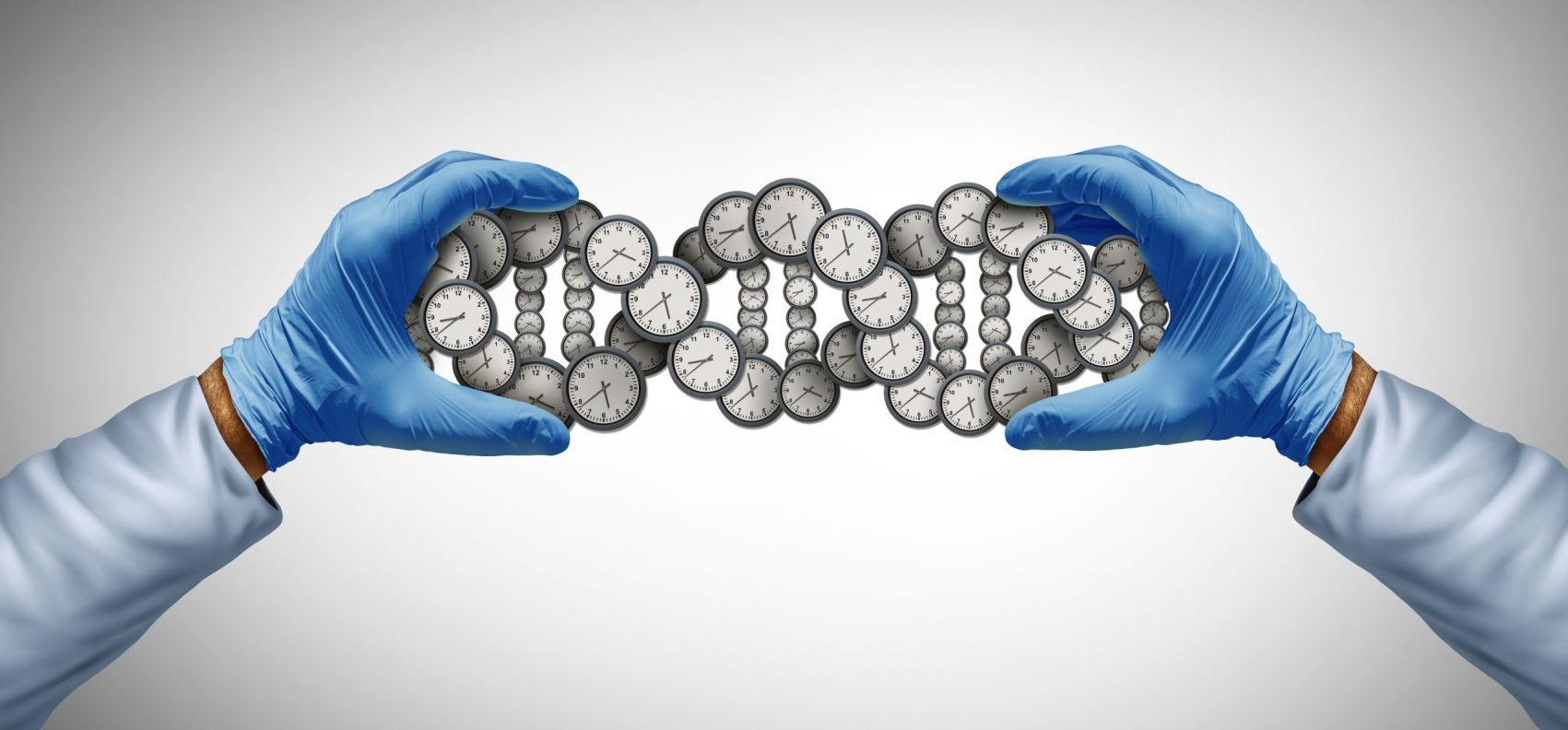
For men interested in cutting-edge medical advancements for reversing aging and extending healthspan.
Shifting Focus from Sickness to Healthspan
For centuries, medicine has focused on treating diseases after they appear. Today, a profound shift is occurring in the medical community: the focus is moving toward healthspan—extending the period of life we spend healthy, active, and energetic.
This isn’t just about living longer; it’s about staying younger, longer. While lifestyle foundations (like the mitochondrial health strategies we discussed) remain essential, modern science is rapidly developing tools that may directly address the causes of aging at the cellular and genetic level. Here is a look at the emerging landscape of future anti-aging medicine.
Next-Gen Tools: The Peptide Revolution
Peptides are short chains of amino acids—the building blocks of proteins. They are like tiny, specific messengers that tell your cells exactly what to do. The medical community is increasingly exploring specific peptides for their powerful regenerative effects.
- How They Work: Instead of broadly affecting the body like a traditional drug, peptides bind to specific receptors to trigger precise actions, such as repairing muscle tissue or reducing inflammation.
- Examples on the Horizon:
- Healing Peptides (e.g., BPC-157): Research suggests these peptides may accelerate the healing of tendons, ligaments, and gut tissue by promoting the formation of new blood vessels and reducing inflammatory responses.
- Rejuvenation Peptides (e.g., GHK-Cu): This peptide naturally declines with age. When applied topically or injected, studies indicate it can significantly improve skin appearance and potentially aid in wound healing by acting as a powerful cellular regenerator.
Cellular Cleanup: Clearing Out the “Zombie Cells” (Senolytics)
One of the key discoveries in aging research is the role of senescent cells—often called “zombie cells.” These are old, damaged cells that stop dividing but refuse to die. Instead, they hang around, secreting harmful chemicals that trigger inflammation and damage healthy neighboring cells. This is a major driver of age-related disease.
- How Senolytics Work: Senolytics are a new class of compounds designed to selectively find and kill only these senescent “zombie cells,” allowing the body to clean up the cellular junk.
- The Promise: By clearing out these inflammatory cells, researchers hope to dramatically reduce the risk factors for diseases like heart disease, diabetes, and Alzheimer’s. Early human trials are testing natural compounds (like quercetin and fisetin) and pharmaceutical drugs that have senolytic properties.
The Horizon: Gene Therapy and Cell Reprogramming
Looking further into the future, scientists are exploring ways to directly rewrite the genetic instructions that dictate how fast we age.
- Telomere Maintenance: Telomeres are protective caps on the ends of your chromosomes. Every time a cell divides, telomeres get shorter—like the fuse on a bomb. When they get too short, the cell can no longer divide, contributing to aging. Researchers are exploring ways to safely maintain or lengthen telomeres using genetic tools.
- Targeted Gene Editing (CRISPR): The revolutionary gene-editing tool CRISPR allows scientists to precisely cut and paste DNA sequences. While still highly experimental for aging, the potential is to correct specific, age-related genetic defects or switch off genes that drive inflammation and cellular decline.
- Cell Reprogramming: This involves turning back the clock on aged cells—essentially forcing them to become “young” again. While complex, this area holds the promise of revitalizing tissues and organs using the body’s own machinery.
Blending Future Science with Today’s Habits
The future of anti-aging medicine is rapidly moving from science fiction to clinical reality. Peptides offer targeted repair, senolytics promise profound cellular cleanup, and gene therapies hint at reversing the clock entirely.
However, it is crucial to understand that these advanced tools will work best on a body that is already optimized. No peptide or gene therapy can overcome decades of smoking, poor nutrition, and chronic sleep deprivation.
As a thought leader in health, we emphasize that the foundation of longevity remains: excellent sleep, resistance training, and a heart-healthy diet. Future treatments will supplement, not replace, the power of these fundamental habits. Always discuss any cutting-edge therapies with a doctor specializing in longevity and anti-aging medicine.
Disclaimer
This article is for informational purposes only and is not a substitute for professional medical advice, diagnosis, or treatment. Always seek the advice of a qualified healthcare provider with any questions you may have regarding a medical condition or treatment.