
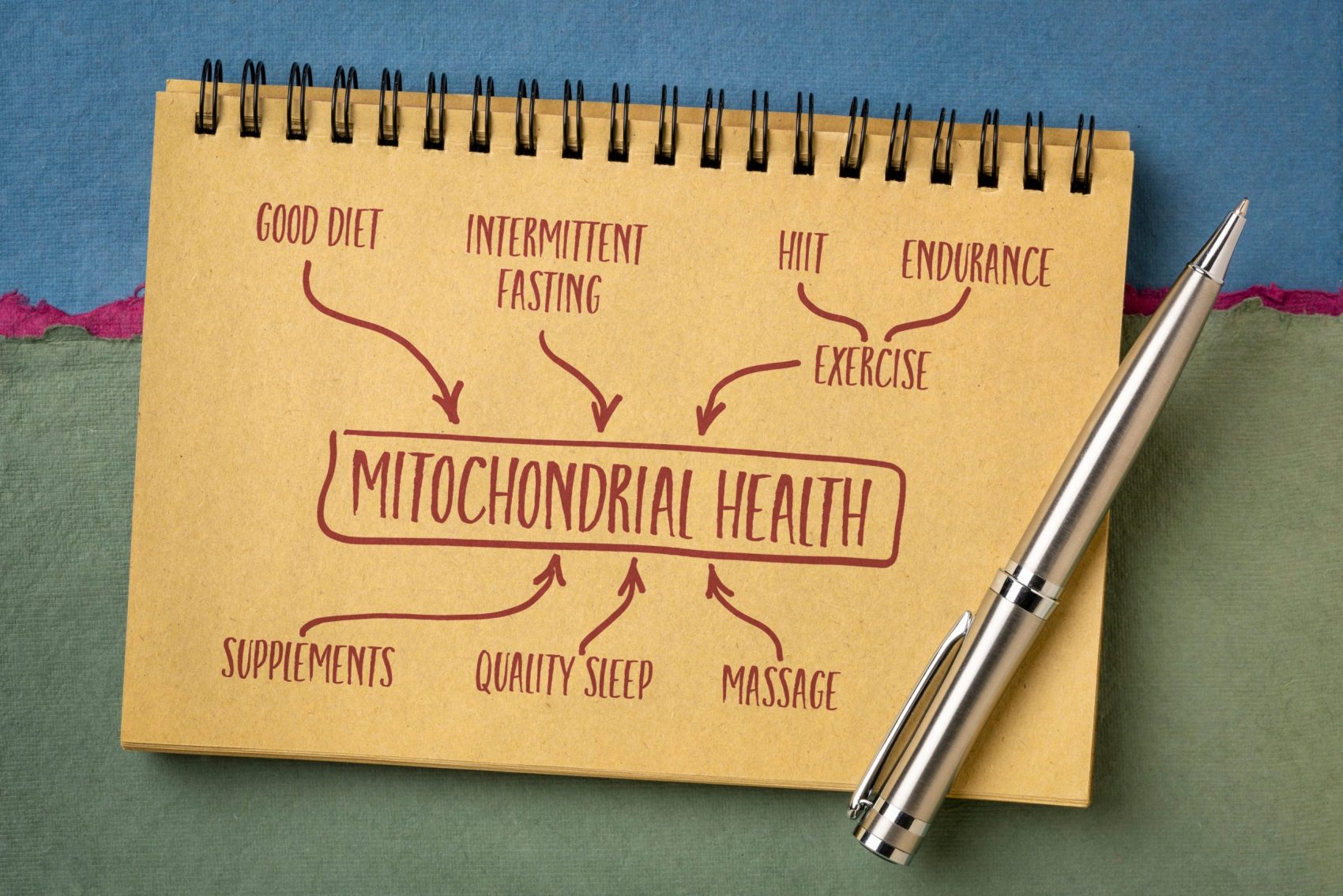
For men seeking practical, science-based strategies to boost energy, fight fatigue, and slow down aging at the cellular level.
Introduction: Meet Your Inner Powerhouse
You often hear about heart health or muscle strength, but the real secret to lasting energy and longevity lies in tiny structures inside almost every one of your cells: the mitochondria.
Think of mitochondria as the microscopic power plants of your body. They take the food you eat and the air you breathe and convert it into the energy currency your body uses—a molecule called ATP.
When your mitochondria are strong, you feel energetic, your brain is sharp, and your immune system works flawlessly. When they slow down (which they naturally do as you age), you feel fatigue, brain fog, and your body begins to age faster. The goal of this article is simple: give your power plants a tune-up!
The Key Fuel: Understanding NAD+
Mitochondria don’t run on food alone; they need a crucial helper molecule called Nicotinamide Adenine Dinucleotide (NAD+). NAD+ is essential for two reasons:
- Energy Creation: It acts as a shuttle, carrying electrons required for the final steps of energy production inside the mitochondria.
- Cellular Repair: It is consumed by special proteins (sirtuins) that repair DNA and protect your cells from stress and damage—the foundation of aging.
Unfortunately, NAD+ levels naturally decline sharply as we age, leading to the cellular slowdown we feel as fatigue. The best strategies for mitochondrial health are those that protect or boost NAD+.
Strategy 1: The Mitochondrial Workout
Not all exercise is created equal when it comes to boosting your cellular power plants.
- High-Intensity Interval Training (HIIT): This is the single best activity for triggering the growth of new mitochondria. Short bursts of maximal effort (like 30 seconds of all-out running) followed by rest forces your muscle cells to demand more energy, signaling them to multiply their mitochondria.
- Action Step: 2–3 times a week, incorporate intervals into your cardio routine (e.g., sprint for 30 seconds, walk for 90 seconds, repeat 8 times).
- Aerobic Consistency: Moderate, steady-state cardio (brisk walking, cycling) doesn’t grow new mitochondria, but it makes the ones you already have more efficient at generating energy.
- Action Step: Aim for 30 minutes of light activity most days of the week.
Strategy 2: Fueling the Power Plant (Nutrition)
You can protect your mitochondria and support NAD+ production through specific dietary choices.
- Intermittent Fasting (Time-Restricted Eating): When you take a break from eating (e.g., skipping breakfast or stopping eating early in the evening), your cells trigger a process called autophagy (cellular cleanup). Autophagy helps remove old, damaged mitochondria and recycle their parts, leaving space for new, healthy ones to grow.
- Action Step: Try limiting your eating window to 8–10 hours per day (e.g., only eat between 10:00 AM and 6:00 PM).
- Mitochondrial “Antioxidants”: Certain nutrients act as protectors, shielding your mitochondria from damage caused by free radicals during energy production.
- Healthy Fats: Omega-3 fatty acids (found in fatty fish like salmon) and medium-chain triglycerides (MCTs, found in coconut oil) are preferred fuel sources that generate less damaging waste.
- Polyphenols: Found in colorful plants, especially berries, green tea, and dark chocolate. These compounds help activate the same cellular protection pathways that NAD+ uses.
Strategy 3: The Supplement Angle (NAD+ Precursors)
Since NAD+ declines with age, many people turn to supplements that provide the building blocks for the molecule. These are called NAD+ precursors.
- Nicotinamide Riboside (NR) and Nicotinamide Mononucleotide (NMN): These are the two most researched precursors. They are used by your cells to create more NAD+, potentially counteracting the age-related decline and supporting better cellular repair.
- Note: While promising, the long-term clinical research is still developing. Always discuss adding NR or NMN to your routine with your doctor to ensure it fits your overall health picture.
Conclusion
Your energy levels and your biological age are determined not by the size of your muscles, but by the health of your tiny, internal power plants. By combining high-intensity exercise, intermittent fasting, and strategic nutrition, you can protect your existing mitochondria, encourage the growth of new ones, and secure better energy and vitality for years to come.
Disclaimer
This article is for informational purposes only and is not a substitute for professional medical advice, diagnosis, or treatment. Always seek the advice of a qualified healthcare provider with any questions you may have regarding a medical condition or treatment.