1. Breaking the Cycle of Anxiety
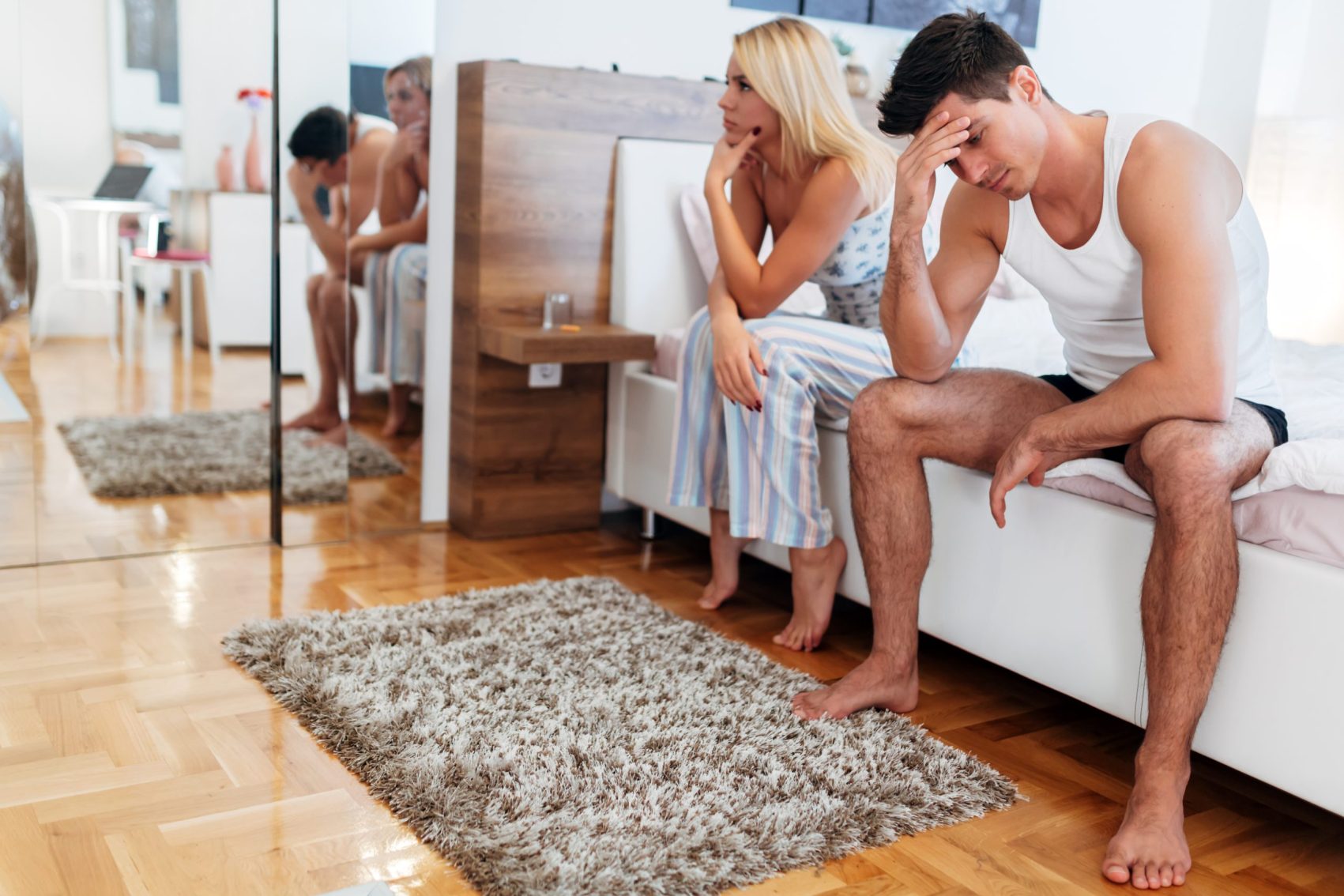
Erectile dysfunction (ED) is often rooted in blood flow, but for many men, especially younger ones, the problem is psychological: sexual performance anxiety.
This is a self-fulfilling prophecy: you worry about failing, the anxiety tightens your blood vessels (the opposite of what’s needed for an erection), and the anxiety-driven failure confirms the initial fear.
While medications like Viagra or Cialis can help chemically, they don’t address the underlying stress. This guide offers practical, actionable strategies—both mental and physical—to break the anxiety cycle and reclaim your confidence.
2. The Psychological Toolkit: Resetting Your Mindset
The key to overcoming performance anxiety is shifting your focus from outcome (getting and maintaining an erection) to process (enjoying intimacy).
A. Practice Mindfulness and Presence
Anxiety lives in the future (“What if I fail?”) or the past (“I failed last time”). You need to anchor yourself in the present moment.
- Non-Goal-Oriented Touch (Sensate Focus): Dedicate time with your partner to touching and being touched without any expectation of intercourse. The goal is simply to enjoy the sensations. This removes the pressure and allows arousal to develop naturally.
- Deep Breathing: If anxiety surges during intimacy, pause. Take three slow, deep belly breaths. This sends a signal to your nervous system that you are safe, counteracting the “fight or flight” stress response that shuts down blood flow.
B. Redefine “Success”
If your definition of success is solely a rigid erection leading to intercourse, you set yourself up for pressure.
- Focus on Connection: Reframe intimacy as an opportunity for connection, pleasure, and communication with your partner. A great sexual experience is about giving and receiving pleasure, which doesn’t always require penetration.
- Communicate Openly: Talk to your partner about your anxiety. Sharing the pressure immediately reduces its weight. Your partner’s understanding and support are perhaps the most powerful tools against anxiety.
C. Challenge Negative Thoughts
Acknowledge the fear, but don’t internalize it.
- Identify the Trigger: When does the anxiety hit? Is it during foreplay, or just before?
- Use Affirmations: Replace the thought, “I am going to fail,” with a positive mantra like, “I am here to enjoy my partner and be present,” or “My body knows how to respond when I am relaxed.”
3. The Physical Toolkit: Stamina and Health
Your overall physical health is inextricably linked to your sexual function. These physical strategies complement your mental work by improving blood flow and reducing long-term health risks associated with ED.
A. Cardiovascular Exercise is King
Since an erection is a vascular event, anything that improves heart health and blood vessel function directly improves erectile quality.
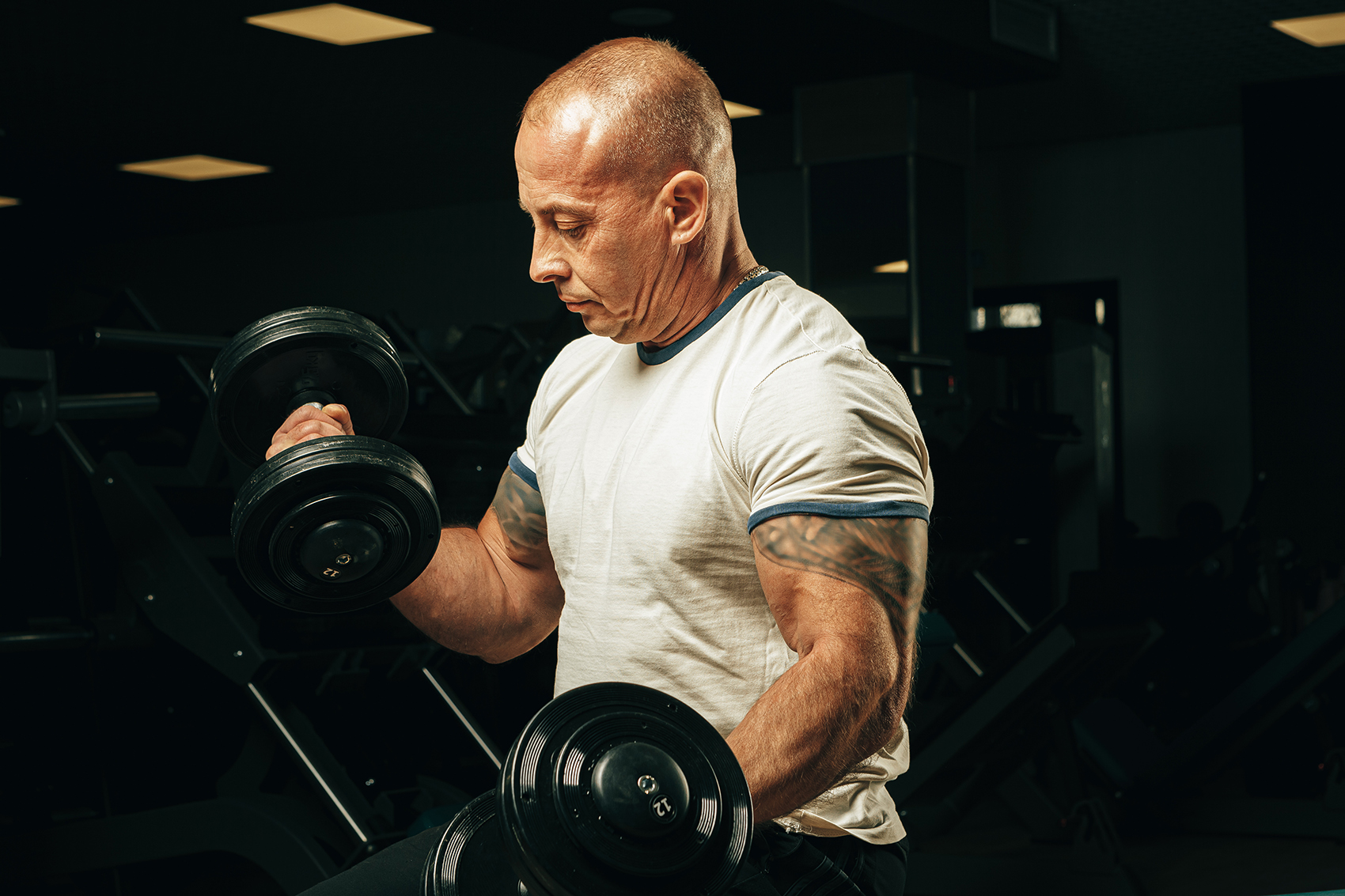
- Aerobic Activity: Aim for at least 30 minutes of moderate-intensity cardio (brisk walking, jogging, cycling) five times a week. This is proven to boost nitric oxide production, which is the key chemical signal that starts the erection process.
- Pelvic Floor (Kegel) Exercises: These exercises strengthen the muscles that help trap blood in the penis during an erection and are particularly effective for improving stamina and hardness.
- How to do them: Contract the muscles you would use to stop the flow of urine. Hold for 5 seconds, then relax for 5 seconds. Repeat 10-15 times, three times a day.
B. Optimize Diet and Weight
Obesity, high blood pressure, and diabetes are major causes of ED. Managing these improves sexual function.
- Adopt a Mediterranean Diet: Focus on whole grains, fruits, vegetables, nuts, and healthy fats (like olive oil). This diet is rich in nitrates, which the body converts into that essential blood-flow enhancer, Nitric Oxide.
- Limit Alcohol and Tobacco: Excessive alcohol can temporarily depress the nervous system and make erections difficult. Smoking severely damages blood vessels, making the physical mechanism of an erection much harder. Cutting back is one of the most powerful physical solutions available.
4. Conclusion: A Journey of Self-Trust
Overcoming sexual performance anxiety is a journey, not an overnight fix. It involves retraining both your mind and your body to trust the natural process of arousal. By focusing on connection over conquest, and integrating consistent physical activity and healthy eating, you create an environment where the anxiety cycle is broken and true confidence—and stamina—can thrive. If anxiety persists, remember that a sex therapist or mental health professional specializing in sexual issues can provide tailored strategies and support.
Disclaimer
This article is for informational purposes only and is not a substitute for professional medical advice, diagnosis, or treatment. Always seek the advice of a qualified healthcare provider with any questions you may have regarding a medical condition or treatment.