
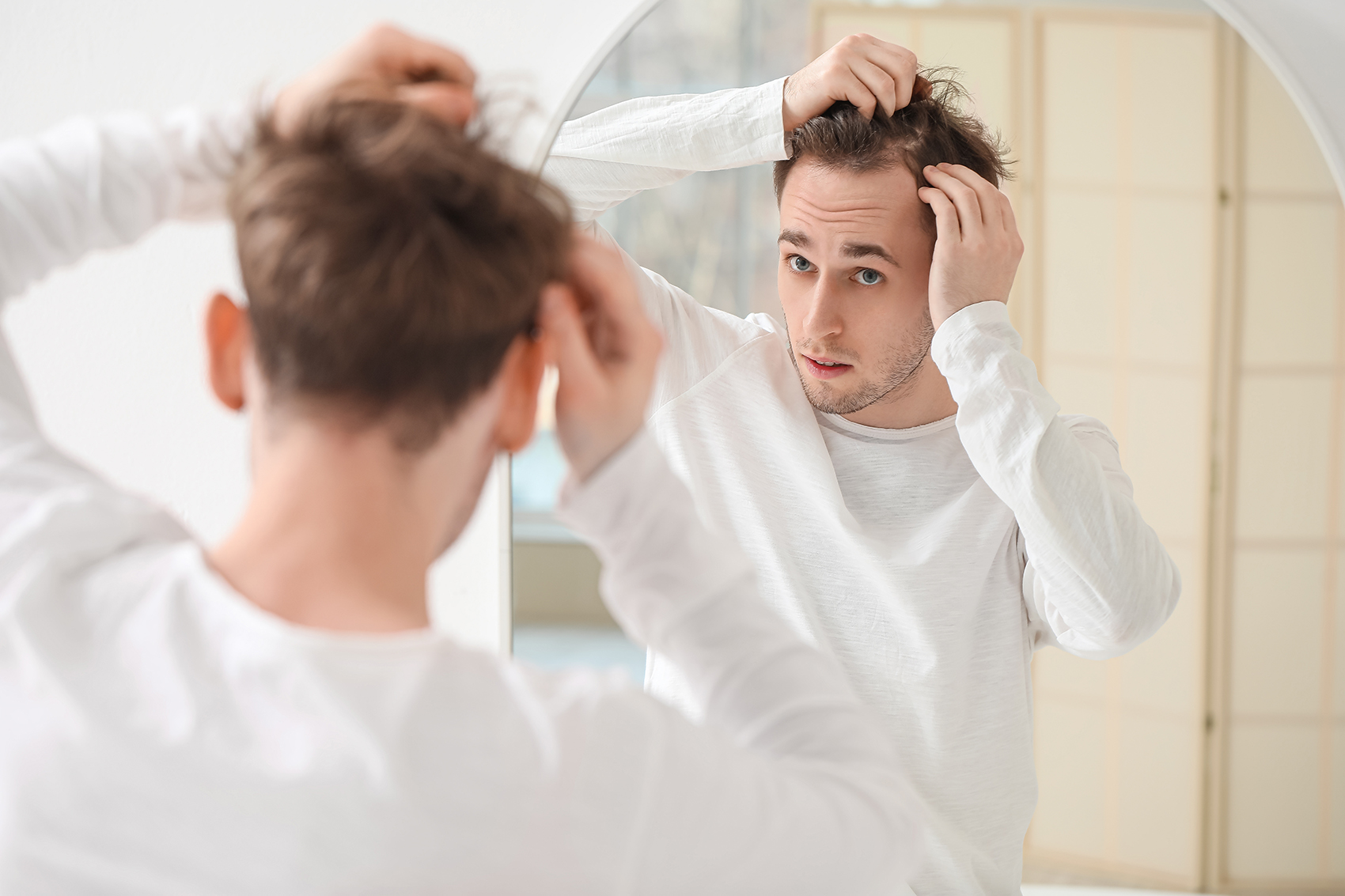
If you’re serious about stopping hair loss, you’ve likely heard about Finasteride (often sold under the brand name Propecia or Proscar). Alongside Minoxidil, it is one of the only two FDA-approved treatments for male pattern baldness.
Unlike Minoxidil, which works on the scalp’s blood flow, Finasteride targets the root cause of genetic hair loss from the inside out. Starting any new medication brings questions and concerns, particularly with one that affects hormones.
Here is a straightforward guide to understanding how Finasteride works, what you can realistically expect, and how long the process takes.
How Finasteride Targets the Root Cause
Male pattern baldness (Androgenetic Alopecia) is primarily caused by a hormone called Dihydrotestosterone DHT.
- The DHT Connection: DHT is a powerful androgen derived from testosterone by an enzyme called 5-alpha reductase. In genetically susceptible men, DHT attacks hair follicles on the scalp (specifically at the crown and hairline), causing them to shrink, or miniaturize, until they stop producing hair altogether.
- The Finasteride Role: Finasteride is a 5-alpha reductase inhibitor. It works by blocking this enzyme, thereby reducing DHT levels in the scalp and body by approximately 60% to 70%.
By reducing the amount of DHT circulating, Finasteride halts the attack on the follicles, allowing them to recover, stop miniaturizing, and often start growing thicker, healthier hair again.
The Results Timeline: Patience is Essential
Finasteride works slowly, at the pace of your natural hair cycle. Consistency is the single most important factor.
Time Frame
What to Expect
Why It Happens
Months 1–3
Stopping the Loss
Finasteride has begun reducing DHT levels. You may notice less hair falling out in the shower or on your pillow. The primary goal during this phase is stopping further loss.
Months 3–6
The Initial Shed (Optional)
Some men experience a temporary “shedding” phase. This is normal and means the follicles are cycling out old, weak hairs to make room for new, stronger ones. Do not stop treatment; this is a sign it’s working.
Months 6–12
First Visible Regrowth
Regrowth begins, often starting with fine vellus hairs thickening up. You should notice visible improvements in density, particularly at the crown of the head.
Months 12–24
Maximum Cosmetic Effect
Hair density continues to improve, and the new hair gains thickness and pigment. Most men reach their maximum potential hair count and thickness around the two-year mark.
Key Takeaway: The first year is about stopping the loss and maintaining what you have. The second year is when the most noticeable regrowth and thickening occurs.
Important Considerations: What You Need to Know
- Dosage: The standard dose for treating male pattern baldness is 1 mg per day (Propecia). Higher doses (like the 5 mg dose, Proscar, used for prostate enlargement) are not more effective for hair. Topical formulations offer equivalent benefits and may reduce side effects.
- Indefinite Use: Just like Minoxidil, Finasteride must be taken indefinitely to maintain results. If you stop taking the medication, DHT levels will return to normal, and hair loss will resume within a few months.
- Best Response: Finasteride is generally most effective at maintaining the hairline and promoting regrowth at the crown (top). It works best when taken early, before significant hair loss has occurred.
FAQs
What are the most common side effects of Finasteride?
The vast majority of men tolerate Finasteride well. The most reported side effects are sexual in nature, including reduced libido (sex drive), erectile dysfunction (ED), and reduced ejaculate volume. These occur in a small percentage of users (typically less than 5% and are often reversible upon stopping the drug. The chances of these side effects can be reduced by using topical formulations.
Should I be concerned about "Post-Finasteride Syndrome" (PFS)?
PFS is a controversial, complex topic involving persistent side effects after stopping the drug. While these persistent symptoms are reported by a small number of men, the overwhelming consensus among major medical bodies and dermatological associations is that the risk is extremely low. Discuss your personal risk factors and concerns honestly with your prescribing physician.
Does Finasteride affect prostate health?
Finasteride reduces the size of the prostate, which is beneficial for men concerned about Benign Prostatic Hyperplasia (BPH). However, because Finasteride lowers PSA (Prostate-Specific Antigen) levels—a blood marker used to screen for prostate cancer—you must tell your doctor you are taking it. They will need to adjust the PSA reading to ensure accurate screening.
Can I combine Finasteride with Minoxidil?
Yes, this is often recommended and is considered the gold standard for non-surgical hair loss treatment. Finasteride treats the internal cause DHT, while Minoxidil acts as an external growth stimulant. The combination offers the highest chance of halting loss and achieving maximal regrowth.
Disclaimer
This article is for informational purposes only and is not a substitute for professional medical advice, diagnosis, or treatment. Always seek the advice of a qualified healthcare provider with any questions you may have regarding a medical condition or treatment.