If you’re a man who hit 40 and suddenly found that the “Dad Bod” was becoming the default setting, you are not alone. The strategies that worked in your 20s and 30s—like cutting out beer for a weekend—don’t seem to make a dent anymore.
Weight loss after 40 isn’t just about willpower; it’s a biological and hormonal battle. The good news is that by understanding the changes in your body, you can switch from fighting a losing battle to using strategies that are designed to succeed.
The Hard Truth: Why Your Body Fights Back
After 40, your body’s chemistry changes, making it metabolically easier to store fat and harder to burn it.
1. The Muscle Drain (Sarcopenia)
This is the single biggest factor. Starting around 30, men naturally begin to lose muscle mass (sarcopenia). Muscle is highly metabolically active, meaning it burns calories even when you’re resting.
- The Result: Less muscle means your Basal Metabolic Rate (BMR)—the number of calories you burn just to stay alive—drops every year. You literally need fewer calories now than you did ten years ago.
2. The Hormonal Shift (Testosterone and GH)
The key hormones that help you stay lean begin to decline:
- Testosterone (T): Lower T-levels make it harder to maintain muscle and easier to store fat, particularly in the abdomen.
- Growth Hormone (GH): This hormone, critical for fat burning and muscle repair, declines sharply with age, slowing down your overall recovery and metabolic efficiency.
3. The Fuel Jam (Insulin Resistance)
Years of inconsistent diet can lead to Insulin Resistance. Your cells stop responding efficiently to the hormone insulin, forcing your pancreas to pump out more and more of it.
- The Problem: High insulin is the body’s primary storage signal. It locks your fat cells down, preventing them from releasing stored energy, making traditional dieting frustratingly ineffective.
The Strategies That Actually Work After 40
To overcome the metabolic slowdown, you can’t just cut calories; you must prioritize two key areas: Building Metabolic Tissue and Managing Hormones.
1. The Foundational Fix: Lift Heavy and Eat Protein
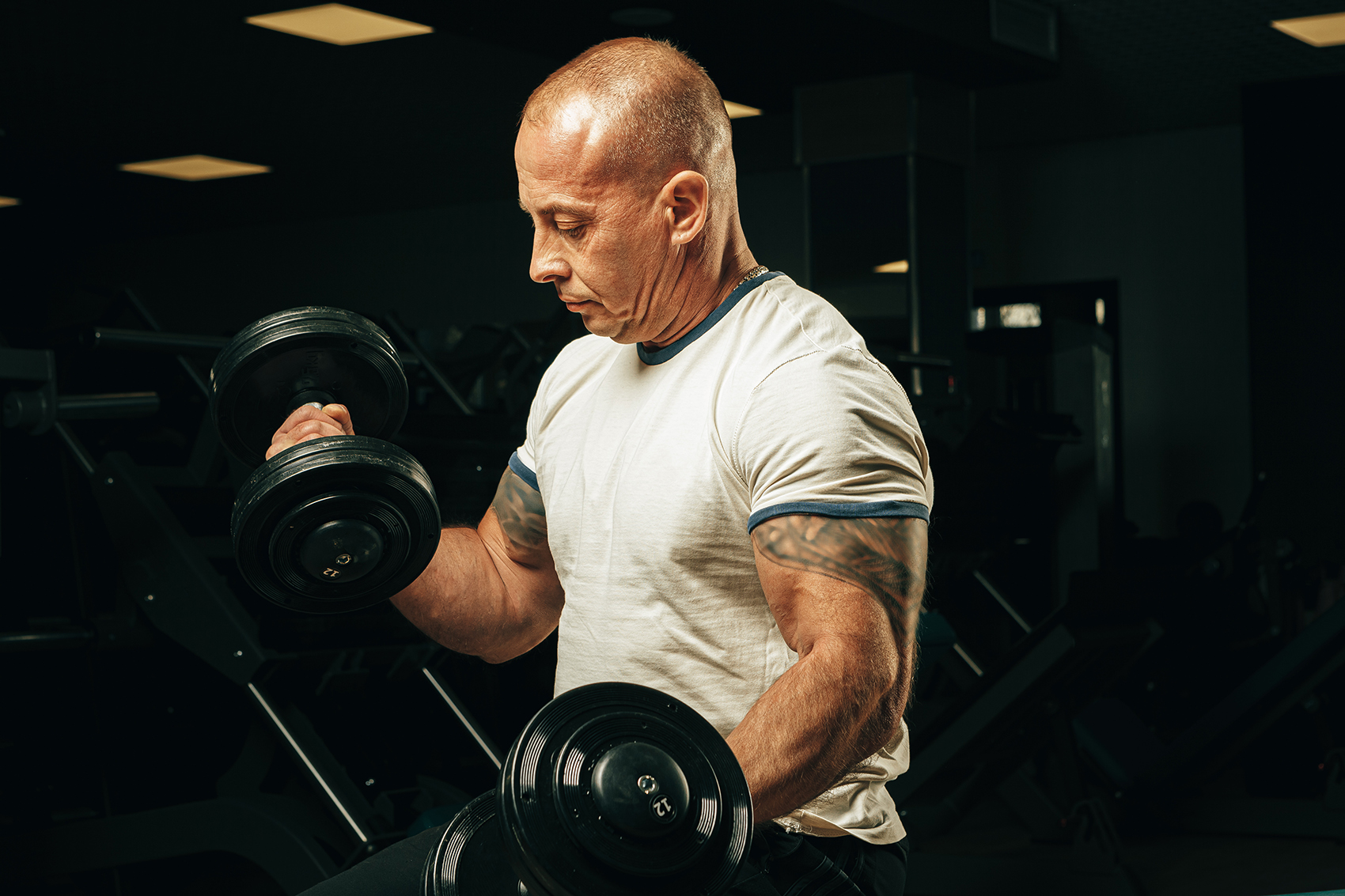
- Attack Muscle Loss: Commit to resistance training (lifting weights) three times a week. This is non-negotiable. It stops the metabolic decline and forces your body to build the calorie-burning engine (muscle) you need.
- Protein is Your Friend: You need more protein to maintain muscle than you did in your 20s. Aim for about 1 gram of protein per pound of goal body weight. Protein also helps you feel full, naturally reducing overall calorie intake.
2. Strategic Eating: Time Your Fuel
- Reduce Refined Carbs: Focus on healthy fats, high-fiber vegetables, and lean protein. Minimizing sugar and processed carbs is the fastest way to drop the high insulin levels that lock up your fat stores.
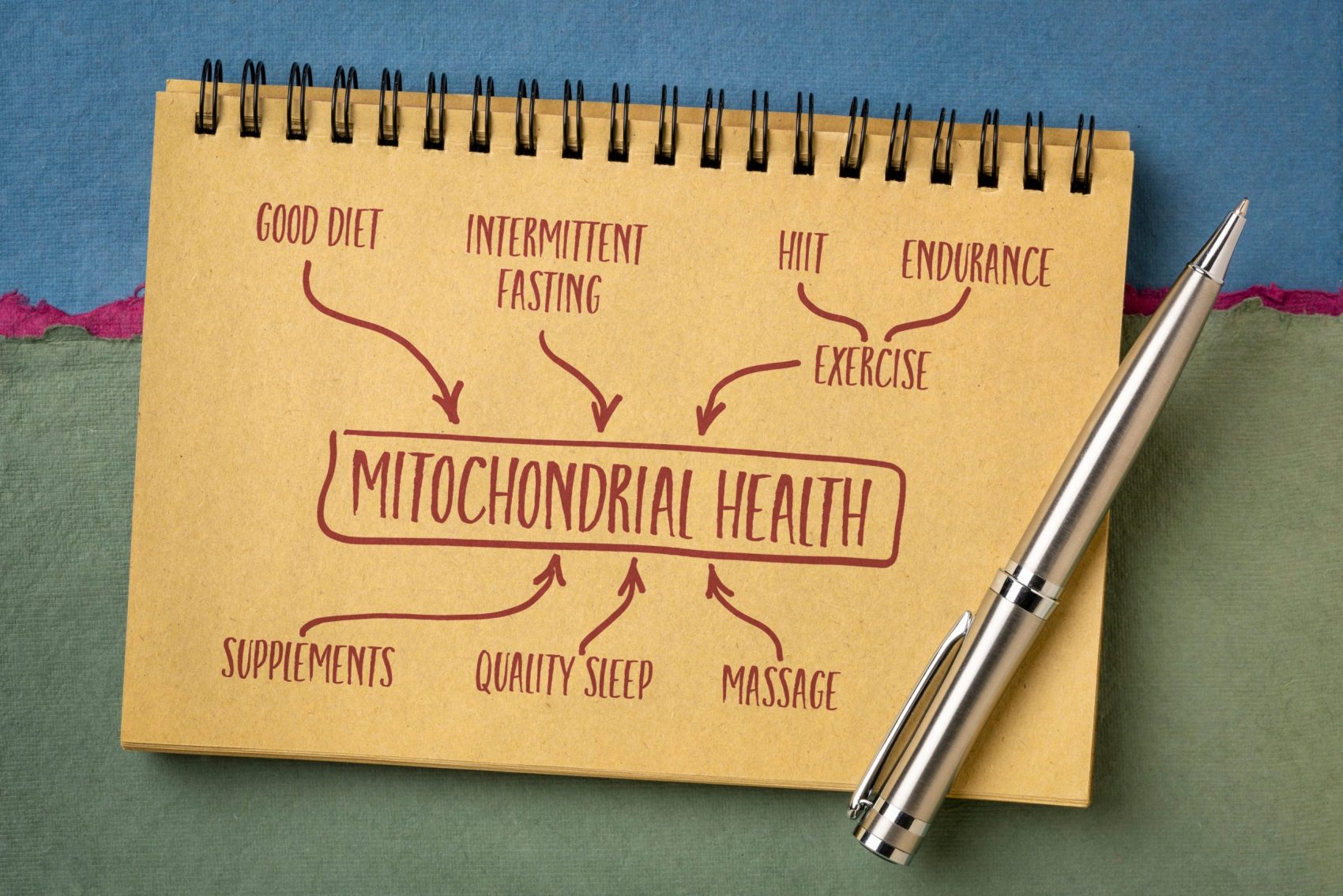
- Time-Restricted Eating: Try intermittent fasting or Time-Restricted Eating (TRE), such as only eating between 12 PM and 8 PM. This gives your body several hours of rest each day when insulin levels can drop, helping unlock those fat cells.
3. Medical Support: Leveraging Modern Science
If the biological hunger signals and stubborn fat storage remain too powerful—a common issue linked to severe insulin resistance—modern medicine provides advanced solutions:
- GLP-1 Medications: Drugs like Ozempic, Wegovy, or Mounjaro fundamentally change the biological drivers of weight gain. They suppress the relentless hunger signals and significantly improve insulin sensitivity, making a calorie deficit feel easy and sustainable.
- Peptide Therapy: Certain prescription peptides, such as Growth Hormone Secretagogues (like Sermorelin or Ipamorelin), can stimulate the natural release of your body’s Growth Hormone, supporting better fat loss, recovery, and muscle maintenance as you age.
The Bottom Line: If the weight isn’t moving, it’s not a moral failing; it’s a metabolic failure. A comprehensive plan that combines targeted strength training, protein, and—when necessary—medical assistance is the most effective path to sustainable weight loss after 40.
FAQs
Do I really need to lift weights? Isn't cardio enough?
No, cardio alone is not enough. Cardio (like jogging) is great for heart health but does little to prevent the loss of muscle mass. Resistance training (weights, bodyweight exercises) is the only exercise that signals your body to maintain and build muscle, directly counteracting metabolic slowdown.
Will I lose muscle if I use a GLP-1 medication for weight loss?
Any weight loss, especially with a GLP-1, carries the risk of muscle loss. To prevent this, you must combine the medication with consistent resistance training and a diet that is high in protein. Medical supervision is key to monitoring your body composition during treatment.
How much protein should I aim for every day?
A simple, effective goal is to aim for 0.8 to 1.0 gram of protein per pound of your goal body weight. For a man aiming for 180 pounds, that’s 144 to 180 grams of protein daily. Focus on getting protein in every meal, especially breakfast.
Should I talk to my primary care doctor or a specialist about GLP-1s?
While many primary care doctors can prescribe these, a specialist in hormone health, weight management, or metabolic medicine is often better equipped to manage the dose titration, monitor your blood work (like A1C and insulin), and integrate the medication into a comprehensive plan that protects your muscle mass.
Disclaimer
This article is for informational purposes only and is not a substitute for professional medical advice, diagnosis, or treatment. Always seek the advice of a qualified healthcare provider with any questions you may have regarding a medical condition or treatment.